| |
 |
| |
|
|
|
|
 |
 |
|
|
|
| |
Healthcare Vietnam
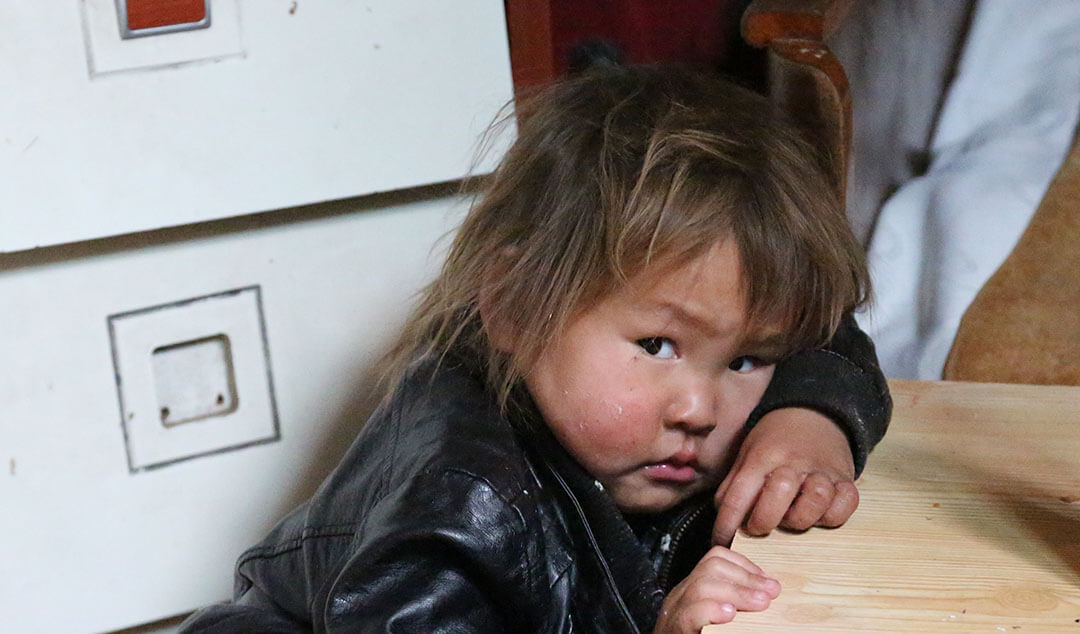
Due to the extreme poverty in which thousands of Vietnamese children and their families live, many are very susceptible to illnesses or accidents. However, most don't have the financial means to access even the most basic medical attention.
Medical care is inaccessible as a result of the prohibitive cost of medical insurance, which is prioritized well below other basic daily needs. An additional factor which prevents many street children and children from very poor families receiving even basic medical care is their lack of legal residency status in their region. Children who do not hold resident papers are not eligible for free medical treatment. |
| |
| The Centre of Social Assistance for Disadvantaged Children |
|
|
Located at 38 Tu Xuong Street, the Christina Noble Centre of Social Assistance for Disadvantaged Children provides an international standard of healthcare, free of charge, to children who can’t afford treatment. First opened on 1 July 1991, the Centre has saved hundreds of children's lives in the past nineteen years, and helped thousands to recover their health and enjoy a normal life.

Run jointly with the Ministry of Labour, Invalids and Social Affairs, the Centre provides a number of services to Vietnam's needy, including: emergency medical care for infants, nutrition-focused outpatient facilities, inpatient facilities for severe ailments or disorders and two full time physiotherapists. We also run a kindergarten and day care facility for sick and disadvantaged children on the premises.

Below is a more detailed outline of some of the key services we provide through this centre: |
 |
- Intensive Monitoring Unit
The Intensive Monitoring Unit (IMU) provides long term care for twenty infants aged up to two years old. Usually these children have been orphaned or abandoned, and are admitted to treat malnutrition, physical disabilities and birth defects and infectious diseases. Normally around 30-40 children pass through this unit each year.
|
- Residential Group - Hoa Mi
The first floor of the Centre houses two children's wards which can accommodate up to 30 children (between 2-6 years of age) in need of medical or rehabilitation treatment. The children generally come from disadvantaged families, and in these wards, they receive special nutrition and focused therapy to help with their various developmental needs. In addition, beds are also set aside for the treatment of children suffering from the long-term effects of Agent Orange and other chemical defoliants dropped during the American War.
|
The second floor of the Centre is home to two kindergarten classrooms, where we can accommodate 30 children aged between three and five years old. Pre-school education is difficult to access in Vietnam , especially for the poor. And yet it is an established fact that even one or two years pre-school education makes a significant difference in the chances of a child continuing with primary education. In addition, this kindergarten allows both parents the opportunity to work, enabling them to climb out of the poverty trap.
|
The Centre's outpatient clinic is located on the ground floor of the Centre, with separate access to avoid disruption to inpatient services. The clinic provides free medical services, medicine and nutritional supplements to street children and disadvantaged families who are referred to the Centre by protection organizations. The clinic has the capability to treat 1000-1500 cases per month.
|
 |
|
| |
The Medical Assistance Programme
Since its inception in 1999, the Medical Assistance Programme has provided medical support on a case-by-case basis for needy children requiring vital medical treatment. Done on a referral basis and in cooperation with local specialists and other local medical facilities, cases range from severe malnutrition to major heart surgery. The programme provides medical support to over 150 children throughout the year, and allows many disadvantaged children to eventually return to school and live a normal life.

Irish Doctor's Visits to Vietnam
Since 2004, the Medical Assistance Programme has worked in close co-operation with Irish surgeons from Our Lady's Children's Hospital in Dublin, Ireland and the Children's Hospital No 2 in Vietnam, in organising crucial health care programmes for sick children under the name of the Exchange Programme. During their visits to Vietnam, the surgeons perform operations for many sick children with anorectal malformation, esophagus tracheal, laryngeal, orthopedic and urological problems, etc. Each year, over 50 sick children are able to undergo life changing operations through this program.

Physiotherapy
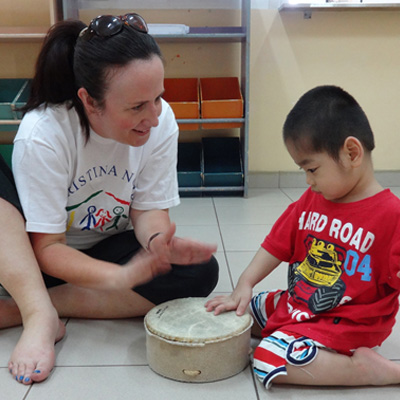
Those who benefit from the project, which supports the employment of three full time physiotherapists working in the centre, are children resident at the The Centre of Social Assistance for Disadvantaged Children. Currently there are 20 babies in the CNCF Intensive Monitoring Unit (IMU) and 24 children and 3 teenagers in the Hoa Mi Group receiving physiotherapy, and the treating conditions such as: developmental delay, cerebral palsy, hydrocephalus and malnutrition. The goal of physiotherapy is to improve the quality of movement, function, independence and breathing capacity, so that the child can return to their families or the referring orphanage.
Medical Stations
The Mekong Delta is a stretch of fertile, marshy flatland in southern Vietnam. This area is inhabited by mostly poor, rural agrarian households who are isolated by rivers and marshes, so they depend on government run medical stations for the most basic needs.
Commonly treated illnesses at the medical stations are malaria, diarrhoea, cholera, gastrointestinal infections and dysentery, however, most of the government medical stations are poorly equipped and need upgrading. CNCF works very closely with provincial government bodies in upgrading their current facilities or developing plans for the construction of new medical stations. We seek improvements in these three areas: general health, maternal health and child healthcare and epidemic prevention.
Since 1997, through this programme, CNCF has assisted in the construction and support of five medical stations which have provided medical care for up to 42,000 people in need. |
| |
| Rural Water Supplies |
|
Vietnam has a population of 81 million of which 63% live in the countryside. Of these only 25% have access to safe water. Thousands of children in Vietnam suffer from easily preventable health problems, including skin infections, digestive problems, scabies, trachoma and flea, lice and tick borne diseases, as a result of the contaminated water they drink and bathe in every day.
Since 1998 CNCF has been committed to helping the rural poor obtain safe drinking water via the provision of both shallow and deep-water wells. In Kien Giang and Ben Tre Provinces, CNCF has supplied over 200 wells and 80 water tanks to three districts with a combined population of 320,000, 30% of whom have been officially confirmed as living on the poverty line (i.e. with an income, per person, of less than US$16 per month).
There is a vital need to continue tapping groundwater in order to provide fresh water supplies to these poverty-stricken rural communities. This preventative method will continue to contribute towards reducing the sicknesses and even death caused, particularly to children, who continue to use contaminated water sources. CNCF's aim is towards continuous intervention, providing fresh water wells, with lever hand pumps to the people in the area.
If you are interested in obtaining more information, please contact your nearest CNCF office |
 |

|
|
|
|
|
|
 |
|
|
 |
|
|