Current Projects in Mongolia
The Sponsorship Program
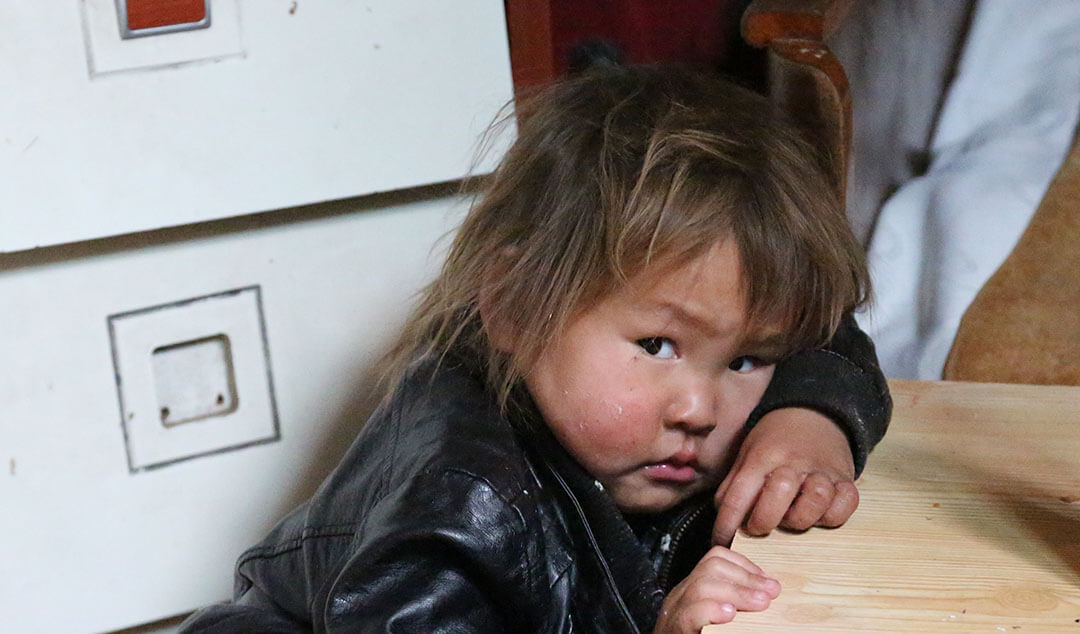
CNCF Mongolia has created a successful child sponsorship program based on the Foundation's original sponsorship program in Vietnam. The objective is to help families who are in danger of splitting up or where children may drop out of school due to poverty. The family receives sponsorship for a child as long as he/she is living with the family and is in full-time education or training. In general, only one child per family is sponsored but in some cases, where there are many children, two may be sponsored.
The sponsors are individuals or families in foreign countries who send money (monthly, quarterly or annually depending on the most practical method of banking) to the Foundation for the child, and in return receive a report about the child's progress each year. The sponsor is never given the address etc. of the child and the only communication between the sponsor and the sponsored family is through the CNCF office. The sponsors send US$24 per month to the Foundation for each child. US$20 is given directly to the child or their family in local currency, US$2 is set aside for emergency medical expenses, and the remaining US$2 is spent on administration costs.
The scheme is tightly controlled to ensure that money goes to the most needy families. CNCF social workers go to the families’ homes on a regular basis in order to assess the children’s progress at school and the families’ living conditions.
In December 2002 Christina traveled into Bulgan Aimag (Province) to take relief supplies to families enduring a second successive harsh winter. The terrible poverty in the countryside immediately convinced Christina to expand the sponsorship programme into the countryside. Now children and families in two provinces west of Ulaanbaatar are being enrolled into the programme.
At present there are more than 1,000 children sponsored in Mongolia.
The Sunshine Ger Village Project
In September 1997, the Foundation established a shelter for street children and orphans in Ulaanbaatar. The shelter consists of six residential gers (the traditional felt tent of the Mongolian peoples), one guard ger, an office ger, two joined gers acting as cookhouse and dining room, and one large community ger. In addition, a 40-foot container, which was sent from Ireland full of clothes and medical supplies, has been transformed inside into a shower house with showers, toilets, hand basins and a laundry area.
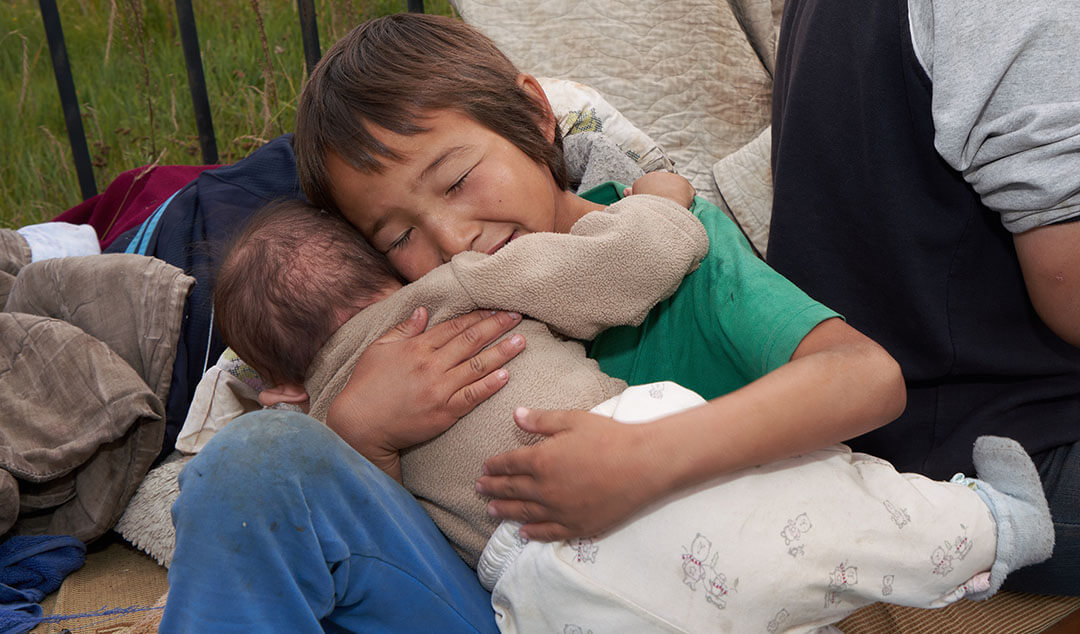
Each residential ger is staffed by a Ger Mother, often a single parent herself, who creates a loving home for the children. Older children help to care for the younger, and assist their ger mother with simple domestic chores. At school age the children are enrolled alongside their peers at the local district school: learning within the community and gaining vital qualifications for later adult life.
Children below school age attend the Foundation’s kindergarten, constructed in 2002 on land adjacent to the Ger Village with funds generously provided by CNCF Belgium and staunchly supported for many years by Wetherby School in London. The kindergarten also serves the wider community and provides invaluable pre-school education to children of local families.
The Ger Village is on the outskirts of Ulaanbaatar and is enclosed with a large 'Hasha' (fence), which helps create a small community atmosphere. CNCF doctors visit several times per week, and a team of two Managers, both themselves qualified doctors, are constantly on-hand to advise, protect and encourage the children. There are monthly outings, occasions of great excitement and joy.
Wherever possible the Foundation seeks to reunite children with their families and assist the family face the future together through mutual love and support.
Prison Education Project
In the course of our research into the plight of children in Mongolia, a major need became apparent. The prison system in Mongolia owes much to the Russian concepts of punishment, and largely ignores ideas of rehabilitation, even for children in prison. Many imprisoned children were not educated in any way. No help was given in terms of post-release adjustment, counseling, or suggestions on how to become independent. All this came to the attention of the Foundation when we met a 17-year old boy who had just been admitted to the prison, less than three months after he had been released. He said that prison was the only life he knew or understood and so he had committed a crime to get back in.
There is one Children's Prison in Mongolia and it accommodates boys only. Girls are held in a separate unit in the Women's Prison. CNCF provides full-time education at the Boys’ Prison and Foundation teachers work three days a week at the Girls’ Section of the Women’s Prison. Most children incarcerated in prison arrive illiterate and so concentration is on reading, writing and mathematics. The children study hard and many feel that the classes help them to forget that they are in prison. Teaching literacy has a profound effect on the children. They feel proud of themselves and can, at last, communicate by letter with their families, relieving some of the loneliness common in prisoners. The number of children admitted to the CNCF project is now over 100 (numbers will always fluctuate depending on the number of children admitted or released from prison).
In 2002 CNCF established a small schoolhouse in Songino Kharkhin District of Ulaanbaatar. The school aims to help children who have dropped of, or never had the opportunity to enter school to pass the examinations required to rejoin their District School. The children are mainly aged between eight and ten years old, and in the first year of operations helped 67 children, who otherwise would not have had the opportunity to attend school, to re-enter State Education.
Healthcare Project
In 1998 CNCF completely renovated the pediatric wing of the Charity Hospital, the only hospital in Ulaanbaatar, which provides free healthcare to people without money or health insurance. The first child inpatients were admitted to the wing in April 1999, and CNCF operates a clinic there three days a week, to provide free health care and medication to the children in the sponsorship program and street children. The Foundation's medical practitioners, led by Dr. Undermaa conduct weekly medical examinations of the children at the Ger Village, and periodical checks of the children in prison.
In 2000 CNCF entered into a Memorandum of Understanding with the Mother and Child Research Center (‘MCRC’), the country’s largest pediatric facility, and began operating a second free-of-charge drop-in clinic there. To date CNCF has donated US$8900 of equipment and supplies to assist MCRC practitioners to provide care for sick children.


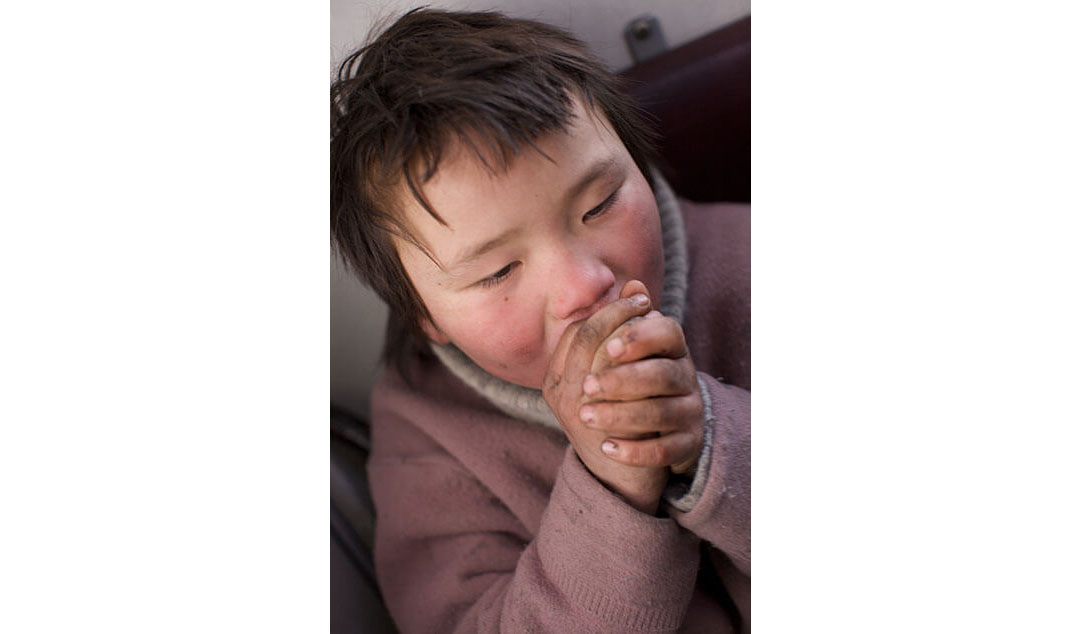
Through a generous donation of a Mercedes-Benz Unimog by Derek Ryan and supporters in Ireland, the Foundation is able to operate a mobile night clinic for street children. Dr. Undermaa and her team travel the city’s streets, visiting manholes where children are known to congregate: bringing emergency medical treatment, medical advice and small treats to children otherwise abandoned to the ice and snow. Last winter 495 examinations took place with 414 children, only 52 of these examinations were categorized as healthy: the others suffered from respiratory sicknesses, cuts, STDs, tuberculosis and other poverty-related conditions.
Healthcare lectures are presented regularly to the children in prisons and the sponsorship parents. They cover a wide range of topics including general hygiene, first aid, treatment for exposure, infant care, and nutrition.
Give a Ger Fund
The Give a Ger fund is an emergency fund established to provide families in danger of becoming homeless, or otherwise inadequately or dangerously accommodated, with a family home. A Ger, with basic furniture, can be purchased in Mongolia for USD1,200. In 2003 the fund purchased gers for 51 families in Ulaanbaatar and in 2004 the campaign was extended to include the countryside, with a total of 53 families being assisted with ger housing. The gift of a ger does far more than simply remove children from squalid and unhealthy living conditions...
|